From Kanban to Action: Applying Project Management Methods to Personal Productivity
Project management methodologies like Kanban and Agile have been used for years to boost team action and productivity in the workplace. But the principles aren鈥檛 limited to the office. These…
This story originally appeared on
Project management methodologies like Kanban and Agile have been used for years to boost team action and productivity in the workplace. But the principles aren鈥檛 limited to the office. These can be super powerful when applied to personal productivity.
Applying the same techniques used in a professional setting can help you simplify your daily routine and achieve a better work-life balance. This article will show how the Kanban method and project management tools can take you from planning to action in your personal life.
What is Kanban: A Framework for Task Organization
Kanban is a visual system for workflow management. It was born in Toyota鈥檚 manufacturing process and is widely used in project management to prioritize tasks and avoid bottlenecks. The method involves breaking work into smaller, manageable pieces and visualizing progress on a board, physical or digital.
For personal productivity, Kanban principles can be the foundation of an organization. Daily activities 鈥� paying bills, scheduling appointments, or planning meals 鈥� become tasks in a workflow. Organizing these tasks visually clarifies what needs to be done, prioritizes effectively, and ensures nothing slips through the cracks.
Your Personal Kanban Board
Setting up your personal Kanban board starts with a system that tracks tasks from planning to. A simple way to do this is with three columns: 鈥淭o Do,鈥� 鈥淚n Progress,鈥� and 鈥淒one.鈥� You can use notes on a wall, a whiteboard, or digital tools like Trello or Asana.
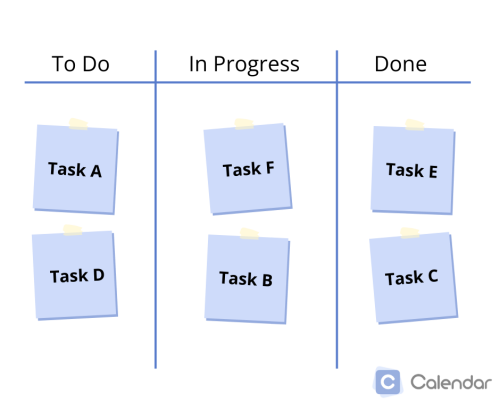
Kanban Board
For example, a week that includes taking the kids to school, paying bills, and exercising can include adding each task to the 鈥淭o Do鈥� column. As you start tasks, they move to 鈥淚n Progress鈥� and then to 鈥淒one.鈥� This keeps priorities organized and gives you a sense of accomplishment when they move to the 鈥淒one鈥� column.
The other component of this is realizing the overall balance of the statuses of your tasks. If you鈥檙e noticing a ton of tasks building up on the 鈥淭o Do鈥� column, that鈥檚 your cue to start prioritizing tasks to move into 鈥淚n Progress.鈥� If 鈥淚n Progress鈥� tasks are mounting, then you should avoid starting new tasks before you鈥檝e put a reasonable dent in those. Finally, if your backlog of tasks is dwindling because you鈥檝e been completing everything you鈥檝e assigned to yourself, it鈥檚 time to identify new tasks. Enter these new tasks into your 鈥淭o Do鈥� column.
The key to all of this is not letting one column overload itself.
Once one column starts looking disproportionate to the others, you should begin to rebalance them.
Regular updates to the Kanban board 鈥� daily or weekly 鈥� can help you stay focused. Using tools like Calendar, Microsoft Calendar, or Google Calendar alongside this process, ensure time-sensitive tasks aren鈥檛 missed because you can set reminders.
Use Agile Principles to Adapt and Prioritize
Agile task management is all about flexibility and iterative progress. While Kanban visualizes tasks, Agile adds adaptability so you can adjust priorities as needed. Life is unpredictable, and incorporating Agile principles into your personal productivity will help you navigate the unknown.
Focusing on short-term goals is a good starting point. Instead of planning for a whole month, plan for the week. For example, if exercising three times a week is your goal but unexpected work commitments arise, Agile encourages you to reassess your priorities. The solution might be to do two workouts or shorter workouts that fit into a busier schedule.
Reflection is a key part of Agile and is essential for personal systems. Weekly progress reviews show what鈥檚 working and what鈥檚 not, allowing you to adjust for the next week.
Turn Concepts into Action
Kanban provides the framework, but the聽 is turning this into actionable steps. Reminders are super helpful in ensuring that nothing gets forgotten. Mobile apps or smart home devices can send reminders for essential tasks like taking out the trash, watering plants, or attending a child鈥檚 school event. Combining a Kanban board with automated reminders provides a complete system that balances planning and execution.
Imagine setting up a weekly routine using a Kanban board. Tasks like grocery shopping on Monday, meal prepping on Wednesday, and tidying the house on Friday can be scheduled. Combining Kanban鈥檚 visual structure with automated tools means a smooth transition from planning to action.
Balance Your Responsibilities to Avoid Burnout
A solidly reliable system keeps you organized and helps you balance and . One way to do this is to control the number of tasks in your Kanban board鈥檚 鈥淚n Progress鈥� column. Managing fewer simultaneous responsibilities reduces stress and increases productivity.
Breaks are just as important. Agile principles emphasize a sustainable pace, which is critical for personal productivity. Just as teams schedule downtime to avoid burnout, individuals must allocate time for self-care. Activities like walking, quick meditation, or relaxing are essential to staying focused and energized.
Remember to set realistic limits on what you can accomplish in a day. Overloading your 鈥淭o Do鈥� or 鈥淚n Progress鈥� columns can lead to fatigue and frustration. Balancing responsibilities involves organizing tasks and prioritizing rest and recreation, which are just as vital for sustained productivity.
Use Digital Tools
Technology offers many resources to help with personal productivity. Digital Kanban boards, such as Trello, Monday.com, or ClickUp, provide a simple way to organize tasks.
Some platforms combine Kanban and Agile principles and offer both task visualization and flexibility. You can use these digital versions of kanban boards to keep track of your daily and weekly tasks easily. The best part is that these digital boards can travel with you anywhere you go and are usually accessible on mobile devices.
Beyond that, digital Kanban boards are easy to modify and stay tidy compared to real-life boards. Try different tools to find what works best for your lifestyle and preferences. You might like the look and feel of physically moving sticky notes on a physical board. However, many find the easy organization of a digital board less distracting. Many digital boards can be integrated with project management software, and tasks will automatically be moved when completed.
Build a Sustainable Habit
Consistency is key to personal productivity. Setting aside weekly time to update the Kanban board and reflect on progress helps you build a sustainable habit. Agile鈥檚 iterative nature means the system adapts to your changing needs, allowing it to handle life鈥檚 uncertainty.
Seasons often require changes to responsibilities. In summer, the Kanban board might include tasks like mowing the lawn or planning holidays. In winter, it might consist of holiday shopping and snow removal. It may change based on external factors not in your control, so you鈥檒l have to pivot your focus to accommodate any changes. Regular reflection means the system stays relevant and effective all year round.
How Will You Improve Your Personal Productivity?
Using project management in your personal life is about more than just getting things done. It鈥檚 about having an organized, intentional, and balanced life. Tools like Kanban boards, Agile principles, and scheduling apps like Calendar turn to-do lists into action plans.
A system that defines tasks, prioritizes, and manages time gives you more space for what really matters 鈥� family, hobbies, and . Setting up a Kanban board is the first step to unlocking more productivity and well-being. It might initially seem unwieldy, mainly if you鈥檝e never organized tasks this way. However, give it some time, and you鈥檒l soon discover how much more you can get done with this structured approach.
Internal image Credit: Sam Pak; Featured Image Credit: Photo by Artem Potrez;
The post appeared first on .
Project management methodologies like Kanban and Agile have been used for years to boost team action and productivity in the workplace. But the principles aren鈥檛 limited to the office. These can be super powerful when applied to personal productivity.
Applying the same techniques used in a professional setting can help you simplify your daily routine and achieve a better work-life balance. This article will show how the Kanban method and project management tools can take you from planning to action in your personal life.
What is Kanban: A Framework for Task Organization
Kanban is a visual system for workflow management. It was born in Toyota鈥檚 manufacturing process and is widely used in project management to prioritize tasks and avoid bottlenecks. The method involves breaking work into smaller, manageable pieces and visualizing progress on a board, physical or digital.


